Week after week, I have been hearing news about the humanitarian catastrophe that is unfolding on the north eastern coast of Lanka. Initially, I didn't want to bother too much about what is happening in a foreign land. But recently, the UN described the fighting as a 'bloodbath' and the UNICEF has reported that hundreds of innocent children have been brutally killed by heavy weapon fire.
http://www.google.com/hostednews/ap/article/ALeqM5gVoaDFmbCYS-Usz9ACDRIengj21QD984BUQ80
My blood curdled when I went through the chilling accounts of the civilians who escaped this hell on Earth. It seems there is no limit to the war crimes being committed there. Why has this untold suffering of thousands of innocent civilians not been made a big international human rights issue? Why have world governments not condemned this inhuman massacre in unequivocal terms? How is it that the Lankan army blatantly disregards the civilian cost in their murderous zeal to finish the LTTE?
There is no doubt that a terrorist organization like the LTTE deserves no sympathy. In fact, reports show that they are using the civilians as human shields and are forcing children into fighting. The helpless people who are virtually being held hostage are caught between the devil that is the Lankan army and the deep sea that is the LTTE. Unfortunately, the sad plight of these innocent civilians caught in the crossfire is being politicized across the Palk Strait, here in India. Politicians of all hues are shamelessly milking this human tragedy for the sake of votes. I am distraught with the fact that while western countries like UK and France have been sending their foreign ministers to visit the relief camps, India has shown no action on this. Surely, the general elections cannot be an excuse. This latest battle has been raging for many months now. Cannot Mr. Mukherjee visit the Tamil civilians in the relief camps and reassure them of India's support? Doesn't India have even this little responsibility? Is our country so diplomatically weak that it cannot even exert mild pressure on a small neighbor like Lanka to halt the fighting and rescue the civilians. And we claim to be a future superpower! Who are we kidding here?!
This leads to the natural inference that one of the reasons why Lanka has been able to continue with its offensive non-stop is that it enjoys tacit support from the Indian government. This is a classic case of running with the rabbits and hunting with the hounds! New Delhi has been one of the biggest suppliers of heavy weapons to Colombo. These are the same weapons that are being used against the Tamils now. India, the country that once supported the LTTE, is now playing a dangerous double game in the Indian Ocean. New Delhi has its own economic and geo-political interests in Lanka. It wants to keep the Sinhalese government in good humor so that they don't go into the waiting arms of China. But it has sacrificed the innocent Tamil civilians in its strategic game. The only thing we can see is lip service from the central leaders, political slogans from the state leaders and token aid sent via ships from Chennai.
Surely, New Delhi has considerably more clout in the region than all these. Take the Mukti Bahini example of Bangladesh. India helped the oppressed Bengali people carve their own nation out of Pakistan. Here, the demand of a majority of Tamils is not for a separate Tamil Eelam to be carved out of Lanka. In the short term, it is to bring about an end to this bloodbath. In the long term, it is to ensure that Tamils in Lanka enjoy equal rights as the Sinhalese. One possible solution is a semi-federal set up, similar to India's. But that is a decision to be left to the people of Lanka itself, including the Tamils.
Shame on you India! As a respected democratic power, you were expected to take leadership in this region. Instead you have miserably failed in your responsibility. I am a patriotic Indian, but on this occasion, I feel ashamed that the land of Gandhi has lost its moral high ground. I have felt the same way once before, when India supported the military dictatorship in Myanmar against a popular uprising, which was brutally suppressed. But in Lanka, the problem is still on. Since India has failed in its moral duty to try to prevent the death of innocent civilians, it is tantamount to New Delhi being party to the war crimes being committed in Lanka. That is why I think India has the blood of innocent Lankan Tamils on its hands. To protest against the cheap politicking by all political parties over this crucial issue, I am going to choose Rule 49-O in tomorrow's polls here in my constituency. Anyways, it is not as if any of the major candidates are eminent.
PS: After a discussion with my friends, I realized that 49-O in its current form is toothless. Thus, instead of that, I voted against all the political parties out there who shamelessly sought to extract electoral mileage out of human suffering.
Tuesday, May 12, 2009

Friday, May 8, 2009
Classic, yet contemporary
Recently, in an awe-inspiring short series on the BBC, the historian Michael Wood presented the 'Story of India'. That journey brought him to Madurai, in southern Tamil Nadu. In his episode, he describes Tamil Nadu as the 'last surviving classical civilization on Earth'. Madurai, he says, 'is like ancient Athens existing in the modern world with her deity presiding over her people even today'.
http://www.pbs.org/thestoryofindia/gallery/photos/5.html
http://www.bbc.co.uk/history/ancient/india/gal_india_south_03.shtml
Though I am generally skeptical of such assertions about Oriental cultures by Western historians, I was so moved on hearing his statements that I started contemplating on the real greatness of the ancient Tamil civilization and how it fits into this modern world.
With an unbroken heritage of nearly 2500 years, the antiquity of Tamil culture far exceeds any other in present day India, and is comparable to ancient Rome and Greece. Indeed, traders from both the west and the east have been coming to the Tamil land for so many centuries. As Wood points out, Marco Polo described it as the 'most splendid' province on Earth. Though I have basic knowledge of Tamil history, the depth and impact of this ancient civilization had eluded me, until now. So what is this ancient Tamil culture? Am I also an inheritor of the legacy of this 'last surviving classical civilization'? This set me thinking about Tamil Nadu today, the way of life of its people and the changes it has undergone over the ages.
Having been brought up in a big city like Chennai, I always felt that I was out of touch with my cultural roots. But now I realize that this 'ancient culture' doesn't exist in some remote temple town, but in my very own house. I realized that I have to look no further than my own grandmother to get a glimpse of the classical merging with the contemporary! I understood something very important through her. What I found out was not something new; only my perception of it had changed. It is nothing but the way of life of the people themselves and how they fit into this culture.
Let us start with one of the greatest strengths of the Tamil civilization - its literature. The vastness and beauty of Tamil literature can be matched only by fellow classical languages like Sanskrit. From the stunningly succinct couplets of Thirukural, that are filled with universal wisdom, to the amazingly elaborate works of the Tamil Sangam of yore and the famous quasi-devotional lines of Avvaiyar. How are these relevant now? Well, the universality of these works is such that my grandma quotes them even for everyday situations! Surprisingly, even the youngsters use some memorable couplets from these works, only that they are given a modern filmy 'twist' to suit the modern times.

Next, we'll take one of the most famous symbols of Tamil culture - Bharatanatyam. Known as the dance of the Gods, this dance form has become renowned worldwide for its grace and beauty. Following the tenets of the Natyashastra, Bharatanatyam at its best evokes awe from admirers. True, one needs some knowledge about the complicated steps involved to appreciate it fully. My grandma always watches such shows on TV but I used to prefer a BBC or MTV over that. But one day, when I sat with her to see a Bharatanatyam competition, I was impressed with the depth of this dance form. The fact that even today, many little kids and adults worldwide show huge enthusiasm to learn this dance is a testimony to one of the most profound influences of Tamil culture. Not to mention the influence of Bharatanatyam in film choreography!

Then of course, music and song has always been an important part of the Tamil civilization. Amazing instruments like the Veena, with which the Goddess of knowledge, Saraswati is always depicted, and the Mridangam, considered to be Lord Ganesha's instrument, were invented here.

Home to the classical Carnatic music tradition, Tamil Nadu has always been musically rich. Nowadays, the appeal of Carnatic music seems to be back on the increase. Tamil Nadu has produced exponents like M.S. Subbulakshmi, the first musician to be awarded the Bharat Ratna and the only Indian musician to have performed at the United Nations. My grandma doesn't fail to listen to her 'suprabhatham' every morning after waking up, just like millions of other Tamils. Though I have also heard it many times before, seen in this new light, it amazed me. However, I am still yet to grasp the nuances of Carnatic music to fully appreciate it. I would love to do it one day. It should be noted that Tamil music is much more than Carnatic music. And in this modern age, the composers of Chennai are also doing a pretty good job, producing some wonderful music. No wonder then that one Mr. A.R.R won two Oscars, a feat never achieved by any Indian before. Though my grandma still prefers to listen to MS's songs, she doesn't mind listening to these 'less divines' as well.


Any visitor to Tamil Nadu cannot miss the majestic temples of this land. From the soaring gopurams of Madurai to the vast courtyards of Srirangam, from the long corridors of Rameshwaram to the impressive Thanjavur big temple. And not to forget the mysterious monuments of Mahabalipuram. Tamil Nadu is dotted with masterpieces of Dravidian architecture. For a long time, these have been the centers of knowledge and culture and they continue to thrive even today. No matter how modern the Tamils become, they always bow their heads before the Gods, fold their hands and wear vibuthi on their foreheads every morning. Though I stopped wearing such marks on my forehead years ago, my grandma continues to insist that I should do so. And she doesn't miss a single religious occasion on the calendar. This piety will continue to be an integral part of every Tamil, no matter if he is in Beijing or Bangalore, Chicago or Chennai.

Coming to the economics of things, the Tamil land has always been a land of riches. Under the Cholas, international trade and commerce was at its peak with traders coming from as far as Europe and China. All the ancient Tamil kingdoms had sound economic policies that ensured the prosperity of its people. We can see this prosperity continuing even today. Tamil Nadu is the third largest state economy in India and is a top destination for FDI. Not only is it one of the most developed and urbanized states in India, it also has low unemployment and peaceful labor conditions. Unlike many other Indian states, the wealth here is spread out more evenly and is not concentrated in the capital alone. Indeed, even an agricultural town like Pollachi in the west has many millionaires. Moreover, the economy is not dependent on any one sector and is diversified among services, manufacturing and agriculture.
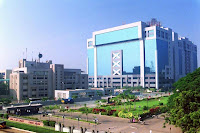
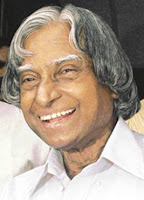
Another aspect that is integral to the Tamil way of life is the emphasis on learning and knowledge. This land has been an intellectual powerhouse of India and has among the highest literacy rates. No wonder then that Jawaharlal Nehru described Mylapore in Chennai as the 'master brain of India'. Tamil Nadu has two Nobel laureates, both being extraordinary physicists. In addition to that distinction, Tamil Nadu has 8 out of 41 Bharat Ratnas, the highest for any state. That is a whopping 20% for a state, which has less than 6% of India's population. It includes academics and scientists par excellence like Dr. S. Radhakrishnan and Dr. Abdul Kalam. Interestingly, when the Bharat Ratna was instituted by the Indian government in 1954, the 3 recipients that year were all Tamils! This tradition of intellectual excellence continues to this today, with Tamils holding various leadership roles in research, academia and industry in India and around the world. Moreover, Tamil Nadu has 3 colleges in the top 10 in engineering - the IIT Madras, the NIT Trichy and the Anna University. Once again, that is the highest for any state. But how does my grandma fit in all these? Once when I told her that I had scored 99% in science in my CBSE exams, her reaction was, "You should not have missed that 1 mark!" Little wonder then that Chennai almost always tops the CBSE and ICSE results!

There are so many such aspects of this ancient culture that I can keep talking about. Just like Wood, I too am really amazed at how all these blend well into this modern world. Tamils are very unassuming and humble people. Despite the depth of culture behind them, they only look ahead. They merge the ancient and the modern in their own unique way. Outsiders mistakenly assume this for conservatism or hypocrisy. It may or may not be true, but what is true is that, compared to most other cities in India, Chennai retains its classical charm while continuing on the path of becoming a modern cosmopolitan city. It does have the global IT fairs and also the Margazhi cultural festivals. Most Tamils, including my beloved grandma, are at ease equally in both these worlds. After all, this 'last classical civilization' continues to evolve and acquire more contemporary colors to add to its long and glorious heritage.
http://www.pbs.org/thestoryofindia/gallery/photos/5.html
http://www.bbc.co.uk/history/ancient/india/gal_india_south_03.shtml
Though I am generally skeptical of such assertions about Oriental cultures by Western historians, I was so moved on hearing his statements that I started contemplating on the real greatness of the ancient Tamil civilization and how it fits into this modern world.
With an unbroken heritage of nearly 2500 years, the antiquity of Tamil culture far exceeds any other in present day India, and is comparable to ancient Rome and Greece. Indeed, traders from both the west and the east have been coming to the Tamil land for so many centuries. As Wood points out, Marco Polo described it as the 'most splendid' province on Earth. Though I have basic knowledge of Tamil history, the depth and impact of this ancient civilization had eluded me, until now. So what is this ancient Tamil culture? Am I also an inheritor of the legacy of this 'last surviving classical civilization'? This set me thinking about Tamil Nadu today, the way of life of its people and the changes it has undergone over the ages.
Having been brought up in a big city like Chennai, I always felt that I was out of touch with my cultural roots. But now I realize that this 'ancient culture' doesn't exist in some remote temple town, but in my very own house. I realized that I have to look no further than my own grandmother to get a glimpse of the classical merging with the contemporary! I understood something very important through her. What I found out was not something new; only my perception of it had changed. It is nothing but the way of life of the people themselves and how they fit into this culture.
Let us start with one of the greatest strengths of the Tamil civilization - its literature. The vastness and beauty of Tamil literature can be matched only by fellow classical languages like Sanskrit. From the stunningly succinct couplets of Thirukural, that are filled with universal wisdom, to the amazingly elaborate works of the Tamil Sangam of yore and the famous quasi-devotional lines of Avvaiyar. How are these relevant now? Well, the universality of these works is such that my grandma quotes them even for everyday situations! Surprisingly, even the youngsters use some memorable couplets from these works, only that they are given a modern filmy 'twist' to suit the modern times.

Next, we'll take one of the most famous symbols of Tamil culture - Bharatanatyam. Known as the dance of the Gods, this dance form has become renowned worldwide for its grace and beauty. Following the tenets of the Natyashastra, Bharatanatyam at its best evokes awe from admirers. True, one needs some knowledge about the complicated steps involved to appreciate it fully. My grandma always watches such shows on TV but I used to prefer a BBC or MTV over that. But one day, when I sat with her to see a Bharatanatyam competition, I was impressed with the depth of this dance form. The fact that even today, many little kids and adults worldwide show huge enthusiasm to learn this dance is a testimony to one of the most profound influences of Tamil culture. Not to mention the influence of Bharatanatyam in film choreography!

Then of course, music and song has always been an important part of the Tamil civilization. Amazing instruments like the Veena, with which the Goddess of knowledge, Saraswati is always depicted, and the Mridangam, considered to be Lord Ganesha's instrument, were invented here.

Home to the classical Carnatic music tradition, Tamil Nadu has always been musically rich. Nowadays, the appeal of Carnatic music seems to be back on the increase. Tamil Nadu has produced exponents like M.S. Subbulakshmi, the first musician to be awarded the Bharat Ratna and the only Indian musician to have performed at the United Nations. My grandma doesn't fail to listen to her 'suprabhatham' every morning after waking up, just like millions of other Tamils. Though I have also heard it many times before, seen in this new light, it amazed me. However, I am still yet to grasp the nuances of Carnatic music to fully appreciate it. I would love to do it one day. It should be noted that Tamil music is much more than Carnatic music. And in this modern age, the composers of Chennai are also doing a pretty good job, producing some wonderful music. No wonder then that one Mr. A.R.R won two Oscars, a feat never achieved by any Indian before. Though my grandma still prefers to listen to MS's songs, she doesn't mind listening to these 'less divines' as well.


Any visitor to Tamil Nadu cannot miss the majestic temples of this land. From the soaring gopurams of Madurai to the vast courtyards of Srirangam, from the long corridors of Rameshwaram to the impressive Thanjavur big temple. And not to forget the mysterious monuments of Mahabalipuram. Tamil Nadu is dotted with masterpieces of Dravidian architecture. For a long time, these have been the centers of knowledge and culture and they continue to thrive even today. No matter how modern the Tamils become, they always bow their heads before the Gods, fold their hands and wear vibuthi on their foreheads every morning. Though I stopped wearing such marks on my forehead years ago, my grandma continues to insist that I should do so. And she doesn't miss a single religious occasion on the calendar. This piety will continue to be an integral part of every Tamil, no matter if he is in Beijing or Bangalore, Chicago or Chennai.

Coming to the economics of things, the Tamil land has always been a land of riches. Under the Cholas, international trade and commerce was at its peak with traders coming from as far as Europe and China. All the ancient Tamil kingdoms had sound economic policies that ensured the prosperity of its people. We can see this prosperity continuing even today. Tamil Nadu is the third largest state economy in India and is a top destination for FDI. Not only is it one of the most developed and urbanized states in India, it also has low unemployment and peaceful labor conditions. Unlike many other Indian states, the wealth here is spread out more evenly and is not concentrated in the capital alone. Indeed, even an agricultural town like Pollachi in the west has many millionaires. Moreover, the economy is not dependent on any one sector and is diversified among services, manufacturing and agriculture.

Another aspect that is integral to the Tamil way of life is the emphasis on learning and knowledge. This land has been an intellectual powerhouse of India and has among the highest literacy rates. No wonder then that Jawaharlal Nehru described Mylapore in Chennai as the 'master brain of India'. Tamil Nadu has two Nobel laureates, both being extraordinary physicists. In addition to that distinction, Tamil Nadu has 8 out of 41 Bharat Ratnas, the highest for any state. That is a whopping 20% for a state, which has less than 6% of India's population. It includes academics and scientists par excellence like Dr. S. Radhakrishnan and Dr. Abdul Kalam. Interestingly, when the Bharat Ratna was instituted by the Indian government in 1954, the 3 recipients that year were all Tamils! This tradition of intellectual excellence continues to this today, with Tamils holding various leadership roles in research, academia and industry in India and around the world. Moreover, Tamil Nadu has 3 colleges in the top 10 in engineering - the IIT Madras, the NIT Trichy and the Anna University. Once again, that is the highest for any state. But how does my grandma fit in all these? Once when I told her that I had scored 99% in science in my CBSE exams, her reaction was, "You should not have missed that 1 mark!" Little wonder then that Chennai almost always tops the CBSE and ICSE results!


There are so many such aspects of this ancient culture that I can keep talking about. Just like Wood, I too am really amazed at how all these blend well into this modern world. Tamils are very unassuming and humble people. Despite the depth of culture behind them, they only look ahead. They merge the ancient and the modern in their own unique way. Outsiders mistakenly assume this for conservatism or hypocrisy. It may or may not be true, but what is true is that, compared to most other cities in India, Chennai retains its classical charm while continuing on the path of becoming a modern cosmopolitan city. It does have the global IT fairs and also the Margazhi cultural festivals. Most Tamils, including my beloved grandma, are at ease equally in both these worlds. After all, this 'last classical civilization' continues to evolve and acquire more contemporary colors to add to its long and glorious heritage.
Thursday, February 12, 2009
Thank you Prof. Murali
A few days after I wrote the letter to (Late) Prof. Veeraraghavan and was wondering how to deliver it to him, Prof. Muraleedharan called me up and asked me to speak at the condolence meeting of Prof. Veeraraghavan. In a way, I felt it was a godsend, since by reading out this letter at a meeting of so many good people who have known and liked him, I felt that I have delivered the letter to the late professor himself. In that meeting, when many people spoke about his life's various aspects, I got to know so much more about him and my respect and admiration for him grew even more. Rather than mourn his death, we should remember his illustrious life. I hope this institute keeps alive the memory of this exceptional soul in some form. It is said that people die young because God loves them so much and wants them back. In this case, I think God was jealous of leaving such a person as Prof. Veeraraghavan in our midst, that he took him back early.
Friday, February 6, 2009
Somebody please deliver this to him!
Arun Kumar
BTech Final Year
Dept of CSE, IITM
(Late) Prof. D. Veeraraghavan
Dept of HSS, IIT Madras
Dear Sir,
At the outset I would like to express my heart-felt gratitude for the affection and wonderful guidance you had given me in the two years for which I have known you. It is difficult for me to think of a class in my life that was as enjoyable and as educational as yours on constitution. I still remember how in every class, you used to provoke discussions and healthy arguments on governmental and constitutional issues. Your depth and breadth of knowledge, including current affairs, used to amaze me. Not to mention your ability to immediately recognize a student, with just one utterance of a word. Your classes were on a different plane from any other I have had here. For the term presentation, you listened to each and every statement of the speakers and even correct them instantly, when most of the class wouldn't even have had an idea of what was going on! I still remember how you appreciated the performance of our team, Sharath, Vivek an I, onthe topic of reservations. We even used to have wonderful discussions on this and many other topics when I came to meet you in your room, including the then developments of anti-reservation violence. You are the only teacher I know, who involved the students themselves in their evaluation. I still vividly remember that evening, when we collected everyone's marks and opinions on the presentations and you asked us to give our suggestions on the marks given. I have never come across such an open, fair and democratic evaluation scheme. Of course, you were more than just a class instructor for me. You got to know about me as a person, my family, my interests and so on. Your valuable advice and guidance changed my outlook towards life. I am sure it has profoundly influenced many of my peers as well. We used to visit you sometimes to discuss about various things, including the landmark Supreme Court verdict regarding the Ninth Schedule of the Constitution. I still remember that visit, when I gave you some chocolates that my brother had brought from the US! Speaking of which, I am reminded of Prof. Muraleedharan, who was like a brother to you; I admired the camaraderie you two enjoyed. Many times, he even dropped by during your classes to catch the sleepyheads red-handed!
As time flied by, I heard one day that you had fallen ill with stomach ulcer or something similar. I tried to visit you, but your room was locked. I was concerned for your health but I didn't know whom to ask. Unfortunately, things became extremely busy in my third year. I thought you would be back this semester, fully recovered and healthy. I wanted to visit your house at least once, before leaving this institute. Sadly, fate had something else in store on that Thursday morning. I was shocked when my friend, Mahitha told me about your demise and the fact that you had cancer. I couldn't believe that you had such a serious health problem. If only I had known earlier, I would have at least had a chance to visit you, at the hospital or wherever you were. As Vivek and I came down to your house, I saw so many students and professors, all united in grief. It is a pity that I had to meet you in this situation. As you lay down on the floor, sleeping peacefully, the crowds circled around you to pay their respects. Your family was inconsolable; so were your friends. After the ceremonial rituals, they had taken you to the Kannammapet crematorium, the same place where we cremated my grandpa. I felt guilty for not having known about your condition, for not having met you, for not having spoken to you for so many months. I could only compensate by putting a fistful of rice on your mouth as you lay in your deathbed, Sir. As the ceremonial duties were being performed by your bereaved father, I prayed to God to give him and your family the strength to overcome your loss and that no parents should ever undergo the trauma of having to lose their child. As we watched, you were pushed into the electrical furnace and your body was ablaze. Amidst dignified tears, I returned, recollecting the times I had spent with you and the impact you had on me as a person. I will forever remember you as one of the best teachers I have had in this institute, indeed one of the best I have ever met. The fact that despite your physical limitations and all odds, you have managed to achieve so much and rise to this level, will continue to serve as an inspiration for me and countless others throughout our lives. Though life will have to go on for everyone you have left behind, you will continue to persist in the thoughts and hopes of many, for whom you are a symbol of courage, determination and achievement.
Yours sincerely,
Arun Kumar
BTech Final Year
Dept of CSE, IITM
(Late) Prof. D. Veeraraghavan
Dept of HSS, IIT Madras
Dear Sir,
At the outset I would like to express my heart-felt gratitude for the affection and wonderful guidance you had given me in the two years for which I have known you. It is difficult for me to think of a class in my life that was as enjoyable and as educational as yours on constitution. I still remember how in every class, you used to provoke discussions and healthy arguments on governmental and constitutional issues. Your depth and breadth of knowledge, including current affairs, used to amaze me. Not to mention your ability to immediately recognize a student, with just one utterance of a word. Your classes were on a different plane from any other I have had here. For the term presentation, you listened to each and every statement of the speakers and even correct them instantly, when most of the class wouldn't even have had an idea of what was going on! I still remember how you appreciated the performance of our team, Sharath, Vivek an I, onthe topic of reservations. We even used to have wonderful discussions on this and many other topics when I came to meet you in your room, including the then developments of anti-reservation violence. You are the only teacher I know, who involved the students themselves in their evaluation. I still vividly remember that evening, when we collected everyone's marks and opinions on the presentations and you asked us to give our suggestions on the marks given. I have never come across such an open, fair and democratic evaluation scheme. Of course, you were more than just a class instructor for me. You got to know about me as a person, my family, my interests and so on. Your valuable advice and guidance changed my outlook towards life. I am sure it has profoundly influenced many of my peers as well. We used to visit you sometimes to discuss about various things, including the landmark Supreme Court verdict regarding the Ninth Schedule of the Constitution. I still remember that visit, when I gave you some chocolates that my brother had brought from the US! Speaking of which, I am reminded of Prof. Muraleedharan, who was like a brother to you; I admired the camaraderie you two enjoyed. Many times, he even dropped by during your classes to catch the sleepyheads red-handed!
As time flied by, I heard one day that you had fallen ill with stomach ulcer or something similar. I tried to visit you, but your room was locked. I was concerned for your health but I didn't know whom to ask. Unfortunately, things became extremely busy in my third year. I thought you would be back this semester, fully recovered and healthy. I wanted to visit your house at least once, before leaving this institute. Sadly, fate had something else in store on that Thursday morning. I was shocked when my friend, Mahitha told me about your demise and the fact that you had cancer. I couldn't believe that you had such a serious health problem. If only I had known earlier, I would have at least had a chance to visit you, at the hospital or wherever you were. As Vivek and I came down to your house, I saw so many students and professors, all united in grief. It is a pity that I had to meet you in this situation. As you lay down on the floor, sleeping peacefully, the crowds circled around you to pay their respects. Your family was inconsolable; so were your friends. After the ceremonial rituals, they had taken you to the Kannammapet crematorium, the same place where we cremated my grandpa. I felt guilty for not having known about your condition, for not having met you, for not having spoken to you for so many months. I could only compensate by putting a fistful of rice on your mouth as you lay in your deathbed, Sir. As the ceremonial duties were being performed by your bereaved father, I prayed to God to give him and your family the strength to overcome your loss and that no parents should ever undergo the trauma of having to lose their child. As we watched, you were pushed into the electrical furnace and your body was ablaze. Amidst dignified tears, I returned, recollecting the times I had spent with you and the impact you had on me as a person. I will forever remember you as one of the best teachers I have had in this institute, indeed one of the best I have ever met. The fact that despite your physical limitations and all odds, you have managed to achieve so much and rise to this level, will continue to serve as an inspiration for me and countless others throughout our lives. Though life will have to go on for everyone you have left behind, you will continue to persist in the thoughts and hopes of many, for whom you are a symbol of courage, determination and achievement.
Yours sincerely,
Arun Kumar
Tuesday, February 3, 2009
Dilemmas of Morality
Have you ever faced a moral dilemma? A situation wherein you had to choose between that which is in your interest and that which is more than just about you? A situation where you had to choose between selfishness and common good? I have faced quite a few in my two decades of existence and here I share with honesty, two of the more recent and impactful ones.
It was the end of my first year at IITM and I had just completed my stint as an NSS Teaching volunteer. Noticing my enthusiasm, the chief student coordinator of NSS, Jayaraj, asked me if I was willing to coordinate a new group within NSS in my second year. This is the Science Activities group, whose aim is to change the way science is being taught at secondary schools from rote learning to activity and experimentation based learning. I grasped the importance of this mission and readily agreed to do so. But as the semester started and the load of the courses began, I started feeling that I might have made a mistake by choosing to become the coordinator. Sometimes I used to feel that devoting time to such activities is a waste since it doesn't help me in any way and I see most others just going about their academic activities, which I might miss out on. This was the thread of selfish interest that was running in my mind. However I also used to think about the good things I can do as the head of Science Activities and the nobility of service, epitomized by great selfless people like Mahatma Gandhi and Mother Teresa. This was a classic dilemma of my self versus my society. Which is more important? Why should I be in this situation? As I grappled with all these questions into the semester, I ended up not doing much for the NSS work, which was mostly taken care of by Jayaraj for the first few weeks. But the turning point was when I met Prof. Giridhar. On one fine evening, he called for a meeting of all NSS coordinators to discuss the plan for the rest of the semester and the December holidays. It was then that he explained about the kind of work that people have done at NSS and the impact it had on society. It was in that session that I got the answer to my dilemma.
The next situation was in my third year. I had volunteered to be an Internship/Placement Representative (IR/PR) for my computer science batch since it entailed staying back in the institute in December for the Placements when most pre-final year students would go back home. I being a day-scholar would be around and thus offered to be an IR/PR. After the internship season, the time came for deciding who the next Branch Councilor (BC) would be. Though many were happy with my work as an IR, many weren't. I was not averse to the idea of being the BC though I believed that some of my co-IRs, who were interested in the job, could also handle it. One fine evening, Sameer, who was the outgoing BC called me up and said that I would be the best candidate for the job and if I was seriously interested, I should contest the election for BC. It is a tradition in the computer science batch that the BC will be decided unanimously. I for one was uneasy about the prospect of contesting an election! My mind kept on wavering over whether I should stand for BC. In the end, I did manage to become the BC by unanimity. But that is where the dilemma started. Having become the BC, in order to do a good job, some sacrifices were called for. The choice of my BTech project guide changed because of this. My academic life did get affected though not as badly as some had warned me. But I still was slightly dithering about the whole thing. Why should I sacrifice these for the sake of others' placements? Why should I let my academic life be affected without any direct gain for me from this? Then again, I asked myself why not? It was after all for the class that I was doing this. It was for my friends and classmates who stood to benefit if I put in the efforts with sincerity that the post of BC deserved. This was for the common good of the batch and the department since most people were interested in taking up a job after the degree. As I grappled with this dilemma, the newly elected Academic Affairs Secretary, Amit had called for the maiden meeting of the new placement team. He explained our tasks ahead as well as the commitment and sacrifices required by each and every one, including him, to make the placements a success. As before, it was in a meeting that I got the answer to my dilemma.
As you must have noticed, I have stopped narrating the story of my dilemmas the moment I got my answers since what happened after that is in public domain. What happened before that is what I got to express here. As life continues, I am sure I would face more such situations in the future, which would test me and my convictions. If I'm lucky, I'd be able to write about them here again.
It was the end of my first year at IITM and I had just completed my stint as an NSS Teaching volunteer. Noticing my enthusiasm, the chief student coordinator of NSS, Jayaraj, asked me if I was willing to coordinate a new group within NSS in my second year. This is the Science Activities group, whose aim is to change the way science is being taught at secondary schools from rote learning to activity and experimentation based learning. I grasped the importance of this mission and readily agreed to do so. But as the semester started and the load of the courses began, I started feeling that I might have made a mistake by choosing to become the coordinator. Sometimes I used to feel that devoting time to such activities is a waste since it doesn't help me in any way and I see most others just going about their academic activities, which I might miss out on. This was the thread of selfish interest that was running in my mind. However I also used to think about the good things I can do as the head of Science Activities and the nobility of service, epitomized by great selfless people like Mahatma Gandhi and Mother Teresa. This was a classic dilemma of my self versus my society. Which is more important? Why should I be in this situation? As I grappled with all these questions into the semester, I ended up not doing much for the NSS work, which was mostly taken care of by Jayaraj for the first few weeks. But the turning point was when I met Prof. Giridhar. On one fine evening, he called for a meeting of all NSS coordinators to discuss the plan for the rest of the semester and the December holidays. It was then that he explained about the kind of work that people have done at NSS and the impact it had on society. It was in that session that I got the answer to my dilemma.
The next situation was in my third year. I had volunteered to be an Internship/Placement Representative (IR/PR) for my computer science batch since it entailed staying back in the institute in December for the Placements when most pre-final year students would go back home. I being a day-scholar would be around and thus offered to be an IR/PR. After the internship season, the time came for deciding who the next Branch Councilor (BC) would be. Though many were happy with my work as an IR, many weren't. I was not averse to the idea of being the BC though I believed that some of my co-IRs, who were interested in the job, could also handle it. One fine evening, Sameer, who was the outgoing BC called me up and said that I would be the best candidate for the job and if I was seriously interested, I should contest the election for BC. It is a tradition in the computer science batch that the BC will be decided unanimously. I for one was uneasy about the prospect of contesting an election! My mind kept on wavering over whether I should stand for BC. In the end, I did manage to become the BC by unanimity. But that is where the dilemma started. Having become the BC, in order to do a good job, some sacrifices were called for. The choice of my BTech project guide changed because of this. My academic life did get affected though not as badly as some had warned me. But I still was slightly dithering about the whole thing. Why should I sacrifice these for the sake of others' placements? Why should I let my academic life be affected without any direct gain for me from this? Then again, I asked myself why not? It was after all for the class that I was doing this. It was for my friends and classmates who stood to benefit if I put in the efforts with sincerity that the post of BC deserved. This was for the common good of the batch and the department since most people were interested in taking up a job after the degree. As I grappled with this dilemma, the newly elected Academic Affairs Secretary, Amit had called for the maiden meeting of the new placement team. He explained our tasks ahead as well as the commitment and sacrifices required by each and every one, including him, to make the placements a success. As before, it was in a meeting that I got the answer to my dilemma.
As you must have noticed, I have stopped narrating the story of my dilemmas the moment I got my answers since what happened after that is in public domain. What happened before that is what I got to express here. As life continues, I am sure I would face more such situations in the future, which would test me and my convictions. If I'm lucky, I'd be able to write about them here again.
Thursday, December 25, 2008
Deus Caritas Est
Every now and then, I come across this news of conversions from one religion to another or that of violence in the name of religion. When I read statements like, "I have found peace in this new religion and this God" or "Only our God is real, everything else is false", I can only laugh at the studied ignorance and utter stupidity of these people!
It makes me ask some deeply profound questions. What is religion? What is God? Why religion? Why God? Who decides these? Who said that God can only be attained through religion? And who has the right to impose upon me what is right and what is not?
Any knowledgeable person would know that throughout the history of mankind, religion has been a potent force used by rulers to control the people. At one level, religion has acted as the instrument for the powerful and the elite classes to wield influence and shape the lives of the masses. It is nothing but a lid that covers the reality of the world. No wonder then that Chanakya in his treatise, Artha Shaastra, stated that the best ruler is one who can convince his soldiers that they are fighting for a religious cause and that religious fanatics make the best fighters. We have seen this being used time and again in various civilizations. The initial proponents of Islam used the motivation of spreading the religion to wage wars and conquer lands. The missionaries of Spanish Catholicism aided the conquest of the new world and destroyed indigenous cultures. The crusade is an example of what happens when two religious interests clash. We see this continuing even today, with the so called jihad being waged by certain Islamic groups. They use religious justification to kill non-believers. Many modern states also have a concept of state religion, be it Judaism, Christianity, Islam, Buddhism or anything else. In modern day India, Hindu extremists want to establish the supremacy of their way of life over others. The list of conflicts and wars fueled by religious motivations is very large indeed. All these prove that religion has always been a motivating force for the establishment of authority over people.
Another stream of thought raises the question of the validity of religion. After all, the so called holy texts and tenets of religion were created by people like us. All claims of 'divine revelations' are mere humbug. Man needed to explain the forces of nature and the great questions of life. The inventive human mind came up with this concept called religion. Unlike science, there is absolutely no authenticity in religion. If someone were to write a book of moral principles, put up a fancy picture and call it the 'real God', wouldn't it qualify as a new religion? The truth is, this is how religions originated. But I am not saying that the great texts like the Vedas, Bible, Quran, Bhagavad Gita, etc are mere worthless words. They all have extremely valuable messages in them but the pity is that they are not followed in the true spirit. In the current age, there doesn't seem to be any divinity either! Stories of a prince crossing the ocean to rescue his wife, of a man 'rising to heaven' from an altar or of a man walking over water are all precisely that - stories. It is nice for the feeble human mind to hear such stories and imagine that such fantastic things can also occur. Some religions even go as far as to claim that non-believers would be 'punished'. The founders of religions used such clever tools to manipulate and control the minds of the believers and keep them under their control. Luckily, the power of rationalism and human spirit could not be defeated.
I am not attacking religion per se. One cannot forget that religion at another level is a personal and social affair. There is no doubt that religion serves to unite the believers of one faith in a manner that few other feelings would. Religion has also served as a prime motivator for charity and kindness among humanity. For innumerable people, religion has taught them a way of life, a purpose of existence, the joy of living. But history shows us that religion has been a more negative force than positive. The benefits that religion provides in the form of charity, etc can also be provided without it in the name of humanity alone. As Adi Shankara stated, the name of God is chanted only by the fool who doesn't understand its real meaning. Certainly, if mankind is to progress from here and now as one family, we must leave our differences apart. Religion in its current form stands in the way of this grand mission. There needs to be a fundamental rethink of what is religion and if at all it is necessary.
I have no doubt that all religions at their core have peace and unity as the message. The common thread that unites every belief system is love. Love for God, love for humanity, love for nature, love for love sake. The Latin saying, Deus Caritas Est, captures this aptly. God is not an entity that one will necessarily find through religion. God is a feeling, a realization, an understanding of the reality. God is love. God is truth. God is knowledge. God is kindness. God is human conscience. These are not attributes of God as religion would say but they are God in themselves. The Tamil saying, Anbe Sivam, Anbe Satyam, also states the same. Love is God, love is truth. I agree that for a few (I stress, very few), religion has helped in attaining this truth. However, I would not want to end up surmising the real nature of God in the narrow manner that religion does, "There can be no other truth than this"! God is nothing but an interpretation of reality, which the inherently fickle human mind constantly struggles to explain. You can choose to explain it in any manner you want as long as it doesn't lead to division and hatred.
Though one can argue that the various religions are but different paths to the common destination, the fact is that the differences are so large that the final goal is often forgotten. There needs to be an end to this madness that religion has brought about in humanity. Even for those who are agnostic or atheist, love is not non-existent, though 'God' maybe. The two are but the same. This conception of God is not new; it has been around for as long as religion has been. But it has been declining and we have now reached a point where such thought finds no place in any popular belief system. There needs to be a fundamental rethink of the utility, or lack of it, of religion and the pursuit of the reality of God. It should start at the individual level and then move to collective social realization. Once such a transformation has been achieved, all narrow religious boundaries can be destroyed and humanity as a whole would move one step forward.

The simple truth is that even a stranger's kindness towards you is God. The care and affection shown by a mother to her child is God. The moment one realizes the truth, crossing all boundaries, one attains God. Call it Jesus or Shiva or Vishnu or Allah or Jehovah or Buddha or whatever other fancy name you can conjure up, for me it is all the same. Religion is not the truth. God is. Love is. Humanity is.
It makes me ask some deeply profound questions. What is religion? What is God? Why religion? Why God? Who decides these? Who said that God can only be attained through religion? And who has the right to impose upon me what is right and what is not?
Any knowledgeable person would know that throughout the history of mankind, religion has been a potent force used by rulers to control the people. At one level, religion has acted as the instrument for the powerful and the elite classes to wield influence and shape the lives of the masses. It is nothing but a lid that covers the reality of the world. No wonder then that Chanakya in his treatise, Artha Shaastra, stated that the best ruler is one who can convince his soldiers that they are fighting for a religious cause and that religious fanatics make the best fighters. We have seen this being used time and again in various civilizations. The initial proponents of Islam used the motivation of spreading the religion to wage wars and conquer lands. The missionaries of Spanish Catholicism aided the conquest of the new world and destroyed indigenous cultures. The crusade is an example of what happens when two religious interests clash. We see this continuing even today, with the so called jihad being waged by certain Islamic groups. They use religious justification to kill non-believers. Many modern states also have a concept of state religion, be it Judaism, Christianity, Islam, Buddhism or anything else. In modern day India, Hindu extremists want to establish the supremacy of their way of life over others. The list of conflicts and wars fueled by religious motivations is very large indeed. All these prove that religion has always been a motivating force for the establishment of authority over people.
Another stream of thought raises the question of the validity of religion. After all, the so called holy texts and tenets of religion were created by people like us. All claims of 'divine revelations' are mere humbug. Man needed to explain the forces of nature and the great questions of life. The inventive human mind came up with this concept called religion. Unlike science, there is absolutely no authenticity in religion. If someone were to write a book of moral principles, put up a fancy picture and call it the 'real God', wouldn't it qualify as a new religion? The truth is, this is how religions originated. But I am not saying that the great texts like the Vedas, Bible, Quran, Bhagavad Gita, etc are mere worthless words. They all have extremely valuable messages in them but the pity is that they are not followed in the true spirit. In the current age, there doesn't seem to be any divinity either! Stories of a prince crossing the ocean to rescue his wife, of a man 'rising to heaven' from an altar or of a man walking over water are all precisely that - stories. It is nice for the feeble human mind to hear such stories and imagine that such fantastic things can also occur. Some religions even go as far as to claim that non-believers would be 'punished'. The founders of religions used such clever tools to manipulate and control the minds of the believers and keep them under their control. Luckily, the power of rationalism and human spirit could not be defeated.
I am not attacking religion per se. One cannot forget that religion at another level is a personal and social affair. There is no doubt that religion serves to unite the believers of one faith in a manner that few other feelings would. Religion has also served as a prime motivator for charity and kindness among humanity. For innumerable people, religion has taught them a way of life, a purpose of existence, the joy of living. But history shows us that religion has been a more negative force than positive. The benefits that religion provides in the form of charity, etc can also be provided without it in the name of humanity alone. As Adi Shankara stated, the name of God is chanted only by the fool who doesn't understand its real meaning. Certainly, if mankind is to progress from here and now as one family, we must leave our differences apart. Religion in its current form stands in the way of this grand mission. There needs to be a fundamental rethink of what is religion and if at all it is necessary.
I have no doubt that all religions at their core have peace and unity as the message. The common thread that unites every belief system is love. Love for God, love for humanity, love for nature, love for love sake. The Latin saying, Deus Caritas Est, captures this aptly. God is not an entity that one will necessarily find through religion. God is a feeling, a realization, an understanding of the reality. God is love. God is truth. God is knowledge. God is kindness. God is human conscience. These are not attributes of God as religion would say but they are God in themselves. The Tamil saying, Anbe Sivam, Anbe Satyam, also states the same. Love is God, love is truth. I agree that for a few (I stress, very few), religion has helped in attaining this truth. However, I would not want to end up surmising the real nature of God in the narrow manner that religion does, "There can be no other truth than this"! God is nothing but an interpretation of reality, which the inherently fickle human mind constantly struggles to explain. You can choose to explain it in any manner you want as long as it doesn't lead to division and hatred.
Though one can argue that the various religions are but different paths to the common destination, the fact is that the differences are so large that the final goal is often forgotten. There needs to be an end to this madness that religion has brought about in humanity. Even for those who are agnostic or atheist, love is not non-existent, though 'God' maybe. The two are but the same. This conception of God is not new; it has been around for as long as religion has been. But it has been declining and we have now reached a point where such thought finds no place in any popular belief system. There needs to be a fundamental rethink of the utility, or lack of it, of religion and the pursuit of the reality of God. It should start at the individual level and then move to collective social realization. Once such a transformation has been achieved, all narrow religious boundaries can be destroyed and humanity as a whole would move one step forward.

The simple truth is that even a stranger's kindness towards you is God. The care and affection shown by a mother to her child is God. The moment one realizes the truth, crossing all boundaries, one attains God. Call it Jesus or Shiva or Vishnu or Allah or Jehovah or Buddha or whatever other fancy name you can conjure up, for me it is all the same. Religion is not the truth. God is. Love is. Humanity is.
Thursday, July 19, 2007
Hegemony or Survival
America's Quest for Global Dominance
Foreword
As part of my Advanced English course, I had to present a review on a book. I chose the best selling political work 'Hegemony or Survival' by the great American critic of the U S of A - the inimitable Noam Chomsky. Here's the 'hyphenated' text of my presentation to the class based on my comprehensive study of the book.
Caution: This text has Anti-American views!
Chomsky the man:
1928 - Prof of ling at MIT - Philad. - Jew - IWW - Libertarian socialist - Anarcho-syndicalism (Labour) - Bertrand Russel
Works:
Logical Struc of Ling Theory, On Lang, Syntactic Strucs, Failed States, Culture of Terrorism, Middle East, The Fateful Triangle, For Reasons of State
Iraq:
Terrorism? War on terror - Mideast and Lat. Am. - S. Africa - Mandela; Soviet - Afghan - Al Qaeda - Islamists - Support for Saddam, Marcos, Ceausescu, Suharto, Mobutu & Noriega; Human rights violtns; US support ends; Rumsfeld - "Saddam in pantheon of failed dictators"; Wolfowitz - praise for Marcos and Suharto; Now Uzbek Islam Karimov, Turkmen Niyazov, Algeria and Libya (Qaddafi).
Reagan-Bush - fear; economic policy; Grenada & Nicaragua drug war use to contain public; Operation Just Cause; Tax cut and military spending; Disregard of Geneva protocol; 'Double Veto'; WMD proliferation; Havana lessons; World criticism; Maintain 'credibility'; Oil and imperialism; Iraqis disregarded - humanitarian; Halliday and Sponeck; Sanctions - people vs Saddam; School bus analogy; Afghan suffering.
US wanted Iraqi junta; Indonesia & East Timor 1999; Old Europe (Rumsfeld) - accepted majority of public opinion - irrelevant; New Europe - 'Yes Sir'; Criticism of India - BJP; Aznar, Berlusconi, Blair; Turkey's defiance.
US dislike of true democracy esp. in Lat. America; Neo-liberal reforms; Puppet democracies - Iraq admn; Oil & 'Petridish' for new norms.
Dilemmas of Dominance:
East Europe - a Trojan horse; West Europe's welfare state - 'Successful defiance'; EU shouldn't be indep; Tripolarity; Post WWII economic imperialism; 'MNCs are the economic expression of political framework in postwar policy.
Mid-East:
'Stupendous source of strategic power'; Oil & energy; 'Veto' over Asia; Rise of NE Asia - China's rivalry; Axis of Evil vs Axis of Good; Prosperity returning to Asia.
Cauldron of Animosities:
Israel-Palestine; Nukes of Israel; Iraq war spillover; US-Turkey-Israel axis; Indian (BJP) relns withs US-Israel; British imperialism - farcical rule; 'Arab facade'; Military bases of US; Central Asia - 'Great Game'; Threat of 'radical nationalism' in 1958 - Indonesia (Sukarno), Egypt (Nasser) & Algerian indep war; 1967 - Israel's wars and atrocities; Iran's Shah; 1971- Sadat's peace plan; Yamit Jewish settlement; 1973 war - Camp David agrmt; Lebanon; PLO; US vetoes over Israel; 2002 - Saudi plan - recognition to Israel - blocked by US; Unviability of discont Palest. Gaza & West Bank; Camp David 2000 - Jewish settlements; Right to return, East Jerusalem, IDF excesses; 'Roadmap to Peace'; Sharon, EU efforts; US Double veto, Israel's violtn of Geneva; 2000 - Intifada, extremely violent conflict, comparison to Indo-China and British 1857, cycle of violence.
Terrorism & Justice:
Truisms - 1) Principle of Universality, 2) Actions wrt consequences.
Terrorism - 'Calculated use of violence/threat to attain polit/relgs/ideolgcl goals by intimidation/coercion/fear.
US counterinsurgency is terror - Weapon of powerful vs weak; UN 1987 - 'People forcibly deprived of right to self-determination, freedom & indep partclrly those under colonial/racist regimes/foreign occuptn vs terror; Eg. SA, Nicaragua, Cuba, Lebanon, Chechnya vs 9/11 - 'Soft targets'.
Israel, USA & Turkey - 'State Sponsors of Terrorism'; Eg. 2002 Palestinian crippled; 'Man of peace' & 'Man of vision'; US media role (filters) and 'disappearing' facts.
Way to reduce terror - stop participating in it! 'Just War' - humanitarian intervention in Afghan; Innocents killed, illegal, bad intentions, not last resort.
'Why shouldn't Haiti/Nicar. attack the US/UK?'
Oxford - 'Principle of Proportionality'; US role in Serbia/Srebrenica.
Causes of terror:
Economic stagnation & neo-liberal globalization, cultural isolation, Islamophobia and feeling of being victimized by the 'Crusader-Zionist' schemes, political instability & oil politics.
Aims of terror:
Drive away the infidels from Muslim lands & overthrow brutal/reprsv regimes.
US support to Saudi/ Egypt/ C. Asia/ Pakistan etc.
Moral hypocrisy & double standards; Thus Islamism grows; Moderates vs extremists.
Afterword:
He expresses concern over US-style imposed democracy ('Nominal sovereignty'), loss of economic sovereignty, destrcn of workers' rights & privatzn; Erosion of democratic culture & severe democ deficit in the US.
---Hegemony or Survival Ends---
Appreciations and Criticisms:
Over 500 references and notes given indicate the immense scholarship that has gone into this work. He make scientific and substantiated arguments like an advocate to his cause. Surprisingly though, the 'K' word is not there! Chomsky also uses sarcastic humor and moving examples to make his point.
But, many quotations and references are radically out-of-context! He doesn't hide his 'anti-semitic' feelings either in spite of being a Jew himself. Marked by unabated anti-Americanism, there is an over-emphasis on US bashing. The book is also intensely political and very slow-moving.
Nevertheless, the book on the whole is moving and stimulating indeed! No wonder then that the Venezuelan Hugo Chavez recommended it at the UN General Assembly! This book has significantly altered my outlook of the US, Israel-Palestine etc.
Recent Developments:
The rise of the Left in Latin America poses the latest 'threat' yet to Washington DC. Castro has been joined by Chavez, Morales (Bolivia), Ortega (Nicarag) and Correa (Ecuador) and a new alliance is shaping up - Bolivarian Alternative for Americas (ALBA).
I don't even have to mention what a disaster Iraq has become under the US occupation! Afghanistan is still very unstable ruled by a government whose writ doesn't extend much beyond Kabul.
Having burnt its fingers in Iraq, the US has now started to meddle rather indirectly in the affairs of the former Soviet states in C. Asia and E. Europe. It began with the 'Rose revolution' in Georgia (2003-4) which brought the pro-US/EU Sakaashvili to power. Then came the 'Orange revolution' in Ukraine (2004-5) which swept the pro-West-anti-Russia Yuschenko to power (It is another matter that the 'revolution' is now collapsing as the White House is probably not funding the regime!). Finally, Uncle Sam brought his 'Great Game' right to backyard of Russia and China - Central Asia with the Kyrgyz revolution in 2006. The failed uprising in Andijan in Uzbekistan has however taught a lesson to the US. It must be mentioned though that many of these former dictators were puppets in Moscow's hands, which is why Russia is increasingly wary of the West's involvement in C. Asia.
Then again, comes the US nuclear policy towards Iran vis-a-vis North Korea. Why should the West seek confrontation with the Islamic republic while it succumbed to the demands of the Communist dictatorship?
This brings us to the major strategic issue of the 21st century - the rise and rise of China! Washington and the West as a whole are increasingly worried about the PRC's economic, diplomatic and military might. Thus originated the policy of 'Encirclement'! Why else would US want closer and deeper military/strategic ties with India, China's arch-rival? India has been wise enough to avoid being clubbed with the US. It also seeks greater ties with Russia and China. It would indeed be interesting to see how power politics plays out with the rise of a penta-polar world order - the US, EU, Russia, China and India.
Ultimately, we have to reconcile to the fact that the US administration may well be the strongest force on Earth (At least for the near future) . But there is a force that is bigger - the American people, for it is they who decide which person gets the unenviable task of leading their great country.
Foreword
As part of my Advanced English course, I had to present a review on a book. I chose the best selling political work 'Hegemony or Survival' by the great American critic of the U S of A - the inimitable Noam Chomsky. Here's the 'hyphenated' text of my presentation to the class based on my comprehensive study of the book.
Caution: This text has Anti-American views!
Chomsky the man:
1928 - Prof of ling at MIT - Philad. - Jew - IWW - Libertarian socialist - Anarcho-syndicalism (Labour) - Bertrand Russel
Works:
Logical Struc of Ling Theory, On Lang, Syntactic Strucs, Failed States, Culture of Terrorism, Middle East, The Fateful Triangle, For Reasons of State
Iraq:
Terrorism? War on terror - Mideast and Lat. Am. - S. Africa - Mandela; Soviet - Afghan - Al Qaeda - Islamists - Support for Saddam, Marcos, Ceausescu, Suharto, Mobutu & Noriega; Human rights violtns; US support ends; Rumsfeld - "Saddam in pantheon of failed dictators"; Wolfowitz - praise for Marcos and Suharto; Now Uzbek Islam Karimov, Turkmen Niyazov, Algeria and Libya (Qaddafi).
Reagan-Bush - fear; economic policy; Grenada & Nicaragua drug war use to contain public; Operation Just Cause; Tax cut and military spending; Disregard of Geneva protocol; 'Double Veto'; WMD proliferation; Havana lessons; World criticism; Maintain 'credibility'; Oil and imperialism; Iraqis disregarded - humanitarian; Halliday and Sponeck; Sanctions - people vs Saddam; School bus analogy; Afghan suffering.
US wanted Iraqi junta; Indonesia & East Timor 1999; Old Europe (Rumsfeld) - accepted majority of public opinion - irrelevant; New Europe - 'Yes Sir'; Criticism of India - BJP; Aznar, Berlusconi, Blair; Turkey's defiance.
US dislike of true democracy esp. in Lat. America; Neo-liberal reforms; Puppet democracies - Iraq admn; Oil & 'Petridish' for new norms.
Dilemmas of Dominance:
East Europe - a Trojan horse; West Europe's welfare state - 'Successful defiance'; EU shouldn't be indep; Tripolarity; Post WWII economic imperialism; 'MNCs are the economic expression of political framework in postwar policy.
Mid-East:
'Stupendous source of strategic power'; Oil & energy; 'Veto' over Asia; Rise of NE Asia - China's rivalry; Axis of Evil vs Axis of Good; Prosperity returning to Asia.
Cauldron of Animosities:
Israel-Palestine; Nukes of Israel; Iraq war spillover; US-Turkey-Israel axis; Indian (BJP) relns withs US-Israel; British imperialism - farcical rule; 'Arab facade'; Military bases of US; Central Asia - 'Great Game'; Threat of 'radical nationalism' in 1958 - Indonesia (Sukarno), Egypt (Nasser) & Algerian indep war; 1967 - Israel's wars and atrocities; Iran's Shah; 1971- Sadat's peace plan; Yamit Jewish settlement; 1973 war - Camp David agrmt; Lebanon; PLO; US vetoes over Israel; 2002 - Saudi plan - recognition to Israel - blocked by US; Unviability of discont Palest. Gaza & West Bank; Camp David 2000 - Jewish settlements; Right to return, East Jerusalem, IDF excesses; 'Roadmap to Peace'; Sharon, EU efforts; US Double veto, Israel's violtn of Geneva; 2000 - Intifada, extremely violent conflict, comparison to Indo-China and British 1857, cycle of violence.
Terrorism & Justice:
Truisms - 1) Principle of Universality, 2) Actions wrt consequences.
Terrorism - 'Calculated use of violence/threat to attain polit/relgs/ideolgcl goals by intimidation/coercion/fear.
US counterinsurgency is terror - Weapon of powerful vs weak; UN 1987 - 'People forcibly deprived of right to self-determination, freedom & indep partclrly those under colonial/racist regimes/foreign occuptn vs terror; Eg. SA, Nicaragua, Cuba, Lebanon, Chechnya vs 9/11 - 'Soft targets'.
Israel, USA & Turkey - 'State Sponsors of Terrorism'; Eg. 2002 Palestinian crippled; 'Man of peace' & 'Man of vision'; US media role (filters) and 'disappearing' facts.
Way to reduce terror - stop participating in it! 'Just War' - humanitarian intervention in Afghan; Innocents killed, illegal, bad intentions, not last resort.
'Why shouldn't Haiti/Nicar. attack the US/UK?'
Oxford - 'Principle of Proportionality'; US role in Serbia/Srebrenica.
Causes of terror:
Economic stagnation & neo-liberal globalization, cultural isolation, Islamophobia and feeling of being victimized by the 'Crusader-Zionist' schemes, political instability & oil politics.
Aims of terror:
Drive away the infidels from Muslim lands & overthrow brutal/reprsv regimes.
US support to Saudi/ Egypt/ C. Asia/ Pakistan etc.
Moral hypocrisy & double standards; Thus Islamism grows; Moderates vs extremists.
Afterword:
He expresses concern over US-style imposed democracy ('Nominal sovereignty'), loss of economic sovereignty, destrcn of workers' rights & privatzn; Erosion of democratic culture & severe democ deficit in the US.
---Hegemony or Survival Ends---
Appreciations and Criticisms:
Over 500 references and notes given indicate the immense scholarship that has gone into this work. He make scientific and substantiated arguments like an advocate to his cause. Surprisingly though, the 'K' word is not there! Chomsky also uses sarcastic humor and moving examples to make his point.
But, many quotations and references are radically out-of-context! He doesn't hide his 'anti-semitic' feelings either in spite of being a Jew himself. Marked by unabated anti-Americanism, there is an over-emphasis on US bashing. The book is also intensely political and very slow-moving.
Nevertheless, the book on the whole is moving and stimulating indeed! No wonder then that the Venezuelan Hugo Chavez recommended it at the UN General Assembly! This book has significantly altered my outlook of the US, Israel-Palestine etc.
Recent Developments:
The rise of the Left in Latin America poses the latest 'threat' yet to Washington DC. Castro has been joined by Chavez, Morales (Bolivia), Ortega (Nicarag) and Correa (Ecuador) and a new alliance is shaping up - Bolivarian Alternative for Americas (ALBA).
I don't even have to mention what a disaster Iraq has become under the US occupation! Afghanistan is still very unstable ruled by a government whose writ doesn't extend much beyond Kabul.
Having burnt its fingers in Iraq, the US has now started to meddle rather indirectly in the affairs of the former Soviet states in C. Asia and E. Europe. It began with the 'Rose revolution' in Georgia (2003-4) which brought the pro-US/EU Sakaashvili to power. Then came the 'Orange revolution' in Ukraine (2004-5) which swept the pro-West-anti-Russia Yuschenko to power (It is another matter that the 'revolution' is now collapsing as the White House is probably not funding the regime!). Finally, Uncle Sam brought his 'Great Game' right to backyard of Russia and China - Central Asia with the Kyrgyz revolution in 2006. The failed uprising in Andijan in Uzbekistan has however taught a lesson to the US. It must be mentioned though that many of these former dictators were puppets in Moscow's hands, which is why Russia is increasingly wary of the West's involvement in C. Asia.
Then again, comes the US nuclear policy towards Iran vis-a-vis North Korea. Why should the West seek confrontation with the Islamic republic while it succumbed to the demands of the Communist dictatorship?
This brings us to the major strategic issue of the 21st century - the rise and rise of China! Washington and the West as a whole are increasingly worried about the PRC's economic, diplomatic and military might. Thus originated the policy of 'Encirclement'! Why else would US want closer and deeper military/strategic ties with India, China's arch-rival? India has been wise enough to avoid being clubbed with the US. It also seeks greater ties with Russia and China. It would indeed be interesting to see how power politics plays out with the rise of a penta-polar world order - the US, EU, Russia, China and India.
Ultimately, we have to reconcile to the fact that the US administration may well be the strongest force on Earth (At least for the near future) . But there is a force that is bigger - the American people, for it is they who decide which person gets the unenviable task of leading their great country.
Subscribe to:
Posts (Atom)